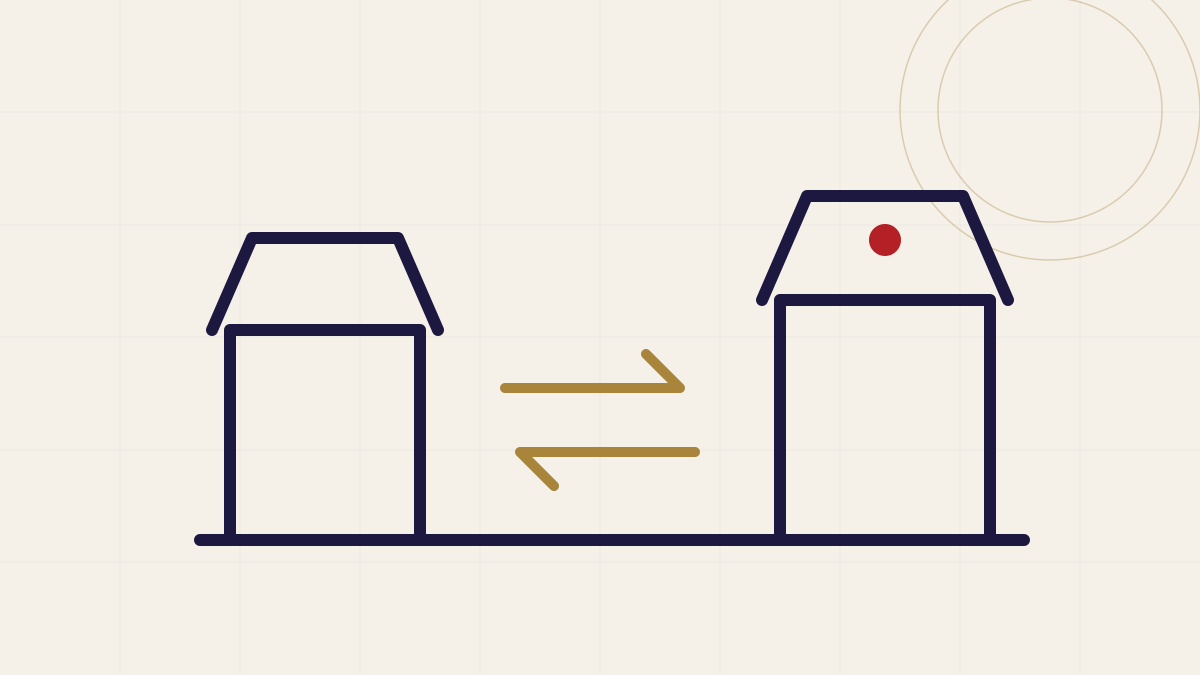
- An earn-out ties part of the price to future results, while a holdback keeps money back at closing to cover problems that surface later.
- Some liabilities can follow a buyer of business assets, such as unpaid WSIB amounts, which is a practical reason to hold part of the price back.
- The rights and remedies in these clauses come mainly from your contract, so the wording needs to be precise.
You like the business, but you are not sure the revenue will hold once the owner steps away. Paying the whole price on closing day puts all of that uncertainty on you. Two common tools can shift some of it: an earn-out and a holdback.
This page looks at both from the buyer's side. It covers how each works, what the clause should say, and which Ontario liabilities make a holdback worth discussing.
Two tools for two different worries
An earn-out makes part of the price depend on how the business performs after closing. You pay the rest later, only if agreed targets are met. It suits a situation where you and the seller disagree about what the business is worth.
A holdback is different. You keep part of the price back at closing and release it later, usually after a set period, if no problems have appeared. It suits a situation where you worry about hidden debts, unpaid taxes or claims that show up after you take over.
Both are creatures of contract. In an ordinary business purchase, deposits, conditions and termination rights depend on what the agreement says. A franchise is different, because the Arthur Wishart Act (Franchise Disclosure), 2000 gives a franchisee statutory rights, including a right to receive a disclosure document at least 14 days before signing or paying.
What an earn-out clause should spell out
Most earn-out disputes come from vague wording. The clause should leave little to interpretation.
- What is measured: revenue, gross profit or net profit, and how each is calculated.
- The accounting method to use, and who prepares the figures.
- The measuring period and when each payment falls due.
- The seller's right to see records, and any limits on that right.
- What you may change after closing, such as prices, staffing, suppliers or locations, and whether those changes affect the calculation.
- Whether you may set off amounts the seller owes you against an earn-out payment.
- How disagreements are resolved if the parties cannot agree on the numbers.
Staffing is worth thinking about early. If you end an employee's employment after the sale, the employee's whole length of employment with the business is attributed to you, and notice and severance are calculated including time worked under the seller. Restructuring costs can therefore affect the profit measure an earn-out depends on.
Liabilities that make a holdback worth discussing
Ontario's Bulk Sales Act was repealed on March 22, 2017, and buyers of business assets no longer have to follow bulk sales procedures. That does not mean every seller debt stays behind. Several obligations can still reach a buyer.
- WSIB: when an employer sells or otherwise disposes of all or part of its business, the buyer is liable for amounts the employer owed under the Act just before the disposition. Without a valid purchase certificate, the WSIB may hold the buyer liable for all amounts the seller owed up to the date of sale.
- Retail Sales Tax: for a bulk sale by a seller who holds, or must hold, a vendor permit, a buyer who does not get the duplicate certificate from the seller is responsible to the Minister for the seller's unpaid taxes, penalties and interest.
- Non-resident sellers: if the CRA has not issued a clearance certificate, the buyer must remit 25% of the amount by which its cost exceeds the certificate limit. The buyer is not liable if, after reasonable inquiry, it had no reason to believe the seller was not resident in Canada.
- Family and related sellers: a buyer who receives property from a spouse, common-law partner, a person under 18 or anyone not dealing at arm's length can be jointly liable for the transferor's tax debts, up to a cap. The same type of rule applies to unpaid GST/HST.
A holdback can sit alongside these steps. Certificates and searches reduce the risk, and the retained funds give you a practical source of recovery if something is missed.
Asset purchase or share purchase
The structure changes how much a holdback matters. In a share sale, no new legal entity is created, and the corporation's WSIB account, including any amounts owing, stays with the corporation. Because you are buying the company, you take it with its history, so a holdback or a contractual indemnity from the seller is often the main protection you have.
In an asset purchase, you can search for liens and get certificates, but you are also exposed to the liabilities described above. Whichever structure applies, the purchase agreement should say what the holdback covers, how long it is held and how a claim against it is made.
What to do next
- Decide whether your concern is the future income (an earn-out) or hidden liabilities (a holdback), or both.
- Ask the seller for financial records that show how revenue has actually behaved.
- For an asset purchase, request the WSIB purchase certificate before the sale date, since it is valid for 30 days from its issue date.
- Run a Personal Property Security Registration search against the seller, which covers personal property but not real property.
- Have a lawyer draft the formula, release dates and dispute process, and have an accountant test the formula against past numbers.
Frequently asked questions
Is a holdback the same as a deposit?
No. A deposit is money you pay before closing, while a holdback is part of the price you keep back at closing and release later. Their terms depend on what the agreement says, so both should be spelled out in writing.
Does a WSIB purchase certificate remove the need for a holdback?
It helps with WSIB amounts only. The WSIB issues one only if the seller's account is in good standing, and none can be issued while an issue on the account is under appeal. Other risks, such as non-WSIB debts or contract claims, may still call for protection.
Do I need a holdback in a share purchase?
There is no purchase certificate in a share sale, and the corporation keeps the WSIB amounts it owes. Because you take on the company's history, many buyers rely on a holdback or a seller indemnity. A lawyer can advise what fits your deal.
Can an earn-out apply to a franchise purchase?
The price terms are a matter of agreement, but franchise law adds duties. The franchisor must give a disclosure document at least 14 days before signing or paying, and rescission rights can arise if it is late or deficient. Have the earn-out wording reviewed together with the franchise documents.
Sources
- Arthur Wishart Act (Franchise Disclosure), 2000, S.O. 2000, c. 3 (e-Laws) — Ontario e-Laws
- Ontario.ca – Your guide to the Employment Standards Act: Continuity of employment — ontario.ca
- Bulk Sales Act, R.S.O. 1990, c. B.14 (e-Laws, repealed) — Ontario e-Laws
- Retail Sales Tax Act, R.S.O. 1990, c. R.31 (e-Laws) — Ontario e-Laws
- WSIB Operational Policy Manual 14-02-03, Purchase Certificates — wsib.ca
- WSIB – Buying or selling your business — wsib.ca
- Income Tax Act, R.S.C. 1985, c. 1 (5th Supp.), s. 160 (Justice Laws) — Justice Laws (federal)
- Excise Tax Act, R.S.C. 1985, c. E-15, s. 325 (Justice Laws) — Justice Laws (federal)
Links go to official government, court and regulator pages. The law changes — confirm you are reading the current version.
This is a business purchase or sale question
Start a file online — flat, published fees, reviewed by a licensed lawyer before a dollar is owed.