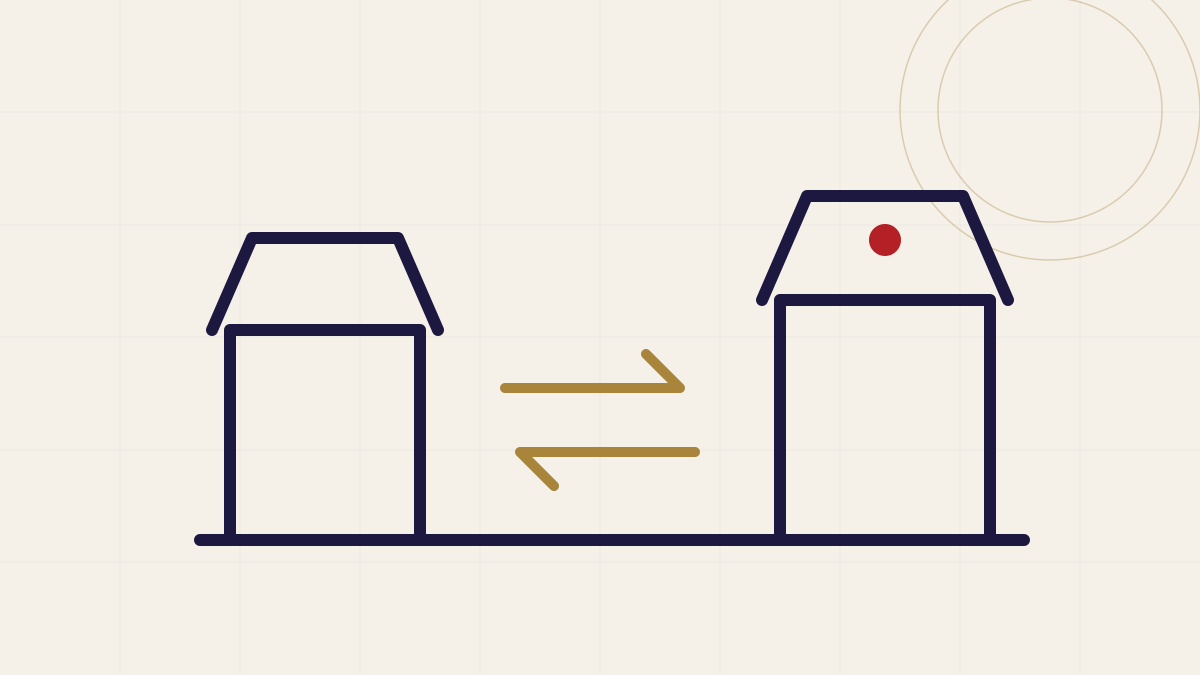
- A share purchase is generally not subject to GST/HST, while an asset purchase can be, unless the parties elect.
- Buyer and seller can jointly elect that no GST/HST is payable if the buyer acquires all or substantially all (at least 90%) of the property needed to run the business.
- The election has limits: it cannot be used if the seller is a registrant and the buyer is not, and some supplies stay taxable.
If you are buying or selling the assets of a business, one of the first money questions is whether HST will be added to the price.
This article explains the default position and the joint election that can remove the tax from the sale. The details of your deal, including registration status, can change the answer.
The default: shares versus assets
How the deal is structured matters. In a share purchase, the buyer buys the corporation itself, and the change in share ownership does not change the tax values of the corporation's assets. A share purchase is generally not subject to GST/HST, while an asset purchase can be, unless the parties elect.
In an asset purchase, the buyer records each asset at its allocated cost. That is also why the price allocation matters to a buyer, since each asset is recorded at its allocated cost. Which rate applies to a particular asset depends on what it is and where it is supplied, so confirm it with your accountant.
How the joint election removes the tax
Seller and buyer can jointly elect, on Form GST44, that no GST/HST is payable on an asset sale. This is available if the buyer acquires all or substantially all (at least 90%) of the property needed to carry on the business and can continue operating it.
The form must be filed by the due date of the buyer's GST/HST return for the first reporting period in which tax would otherwise have been payable. Both parties sign it, so it should be required in the purchase agreement, with a clear obligation to sign and file.
Limits and what stays taxable
- The election cannot be used if the seller is a GST/HST registrant and the buyer is not.
- Even with the election, GST/HST still applies to taxable services supplied by the seller and to taxable leases or licences of property.
- The election depends on the buyer taking substantially all of the property needed to carry on the business, so a sale of only a few assets may not qualify.
Check your own situation for other rules, such as those that apply to real property. They depend on the facts and are worth confirming with an accountant or lawyer.
Allocating the price and keeping it consistent
If the agreement sets reasonable prices for individual assets, those prices are used. If not, the price is allocated to each asset at fair market value, then to inventory, and the remaining balance to goodwill. The buyer's allocation should match what the seller reported.
Allocation affects other taxes as well. If, at year end, the sale proceeds credited to a capital cost allowance class make its undepreciated capital cost negative, the excess is included in the seller's income in full. Settle the allocation in the agreement so both sides report it the same way.
What to do next
- Confirm whether you are buying shares or assets, since that sets the default HST position.
- Confirm whether each party is a GST/HST registrant.
- Decide whether the buyer will take substantially all of the business property.
- Put an obligation to sign and file Form GST44 into the agreement, with the filing deadline in mind.
- Agree on the price allocation and list any taxable services, leases or licences separately.
- Have an accountant review the closing documents before you sign.
Frequently asked questions
Does HST apply if I buy the shares of a business?
A share purchase is generally not subject to GST/HST.
What does the GST44 election do?
It is a joint election by seller and buyer that no GST/HST is payable on an asset sale. It requires the buyer to acquire all or substantially all (at least 90%) of the property needed to carry on the business and to be able to continue operating it.
When must the election be filed?
By the due date of the buyer's GST/HST return for the first reporting period in which tax would otherwise have been payable. Build the deadline into your closing checklist.
Can I use the election if the buyer is not registered?
Not if the seller is a GST/HST registrant and the buyer is not. Even where the election is used, GST/HST still applies to taxable services supplied by the seller and to taxable leases or licences of property.
Sources
- CRA – Buying a business — canada.ca
- Income Tax Act, s. 13(1) — Justice Laws (federal)
Links go to official government, court and regulator pages. The law changes — confirm you are reading the current version.
This is a business purchase or sale question
Start a file online — flat, published fees, reviewed by a licensed lawyer before a dollar is owed.